At Plunge Pools Melbourne, we help homeowners choose, design, and install plunge pools that match their space and lifestyle. Our team works with concrete, fibreglass, and precast pools every week, so we know how each material performs in Melbourne soil, weather, and backyard layouts.
In this guide, you will learn what each pool type is, how it is made, the cost, the installation steps, and the pros and cons. You will also see the best use cases and how to pick the best plunge pool material for your Melbourne home.
Material Definitions

What Is Concrete Plunge Pool?
A concrete plunge pool is a pool that builders make on-site using steel reinforcement, formwork, and poured concrete. This type of pool is known for being very strong, long-lasting, and fully customisable, which is why many Melbourne homeowners choose it for premium backyards.
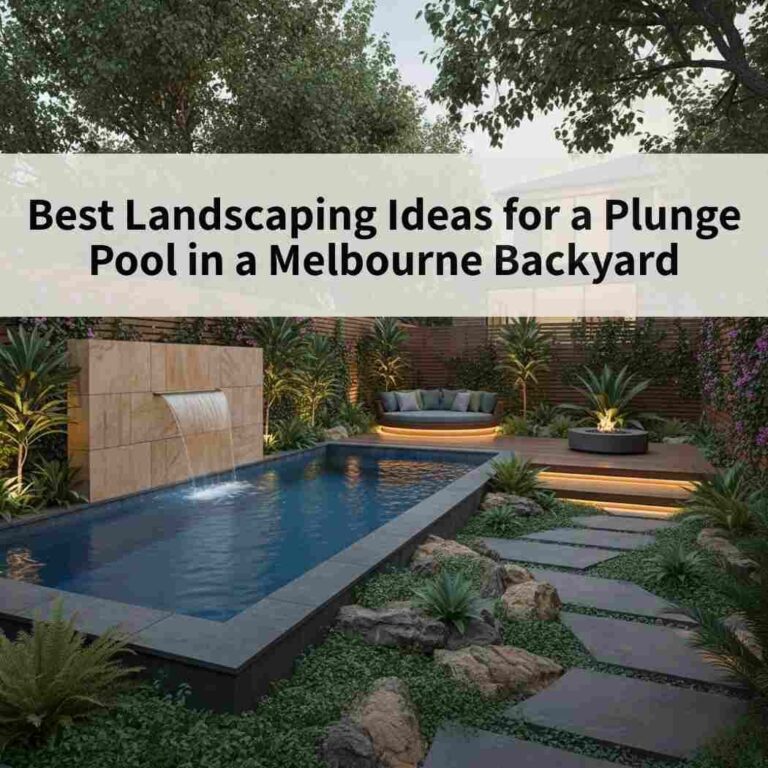
Concrete lets you create any shape or size. You can build a round pool, a square pool, a narrow lap-style pool, or even a design that fits around trees, decks, or small courtyards. This makes concrete a great choice for tricky blocks, sloped land, and tight Melbourne layouts where set-size shells don’t fit well.
Because concrete is poured on-site, builders can adjust the design based on soil conditions, including reactive clay, something common in many Melbourne suburbs. Concrete also works well with luxury finishes like tiles, quartz render, or custom coping edges to give homeowners a high-end look.
Concrete takes longer to build because it needs time to cure and strengthen, but once finished, it gives you a pool that can last for decades and handle Melbourne’s changing weather.
What Is Fibreglass Plunge Pool?
A fibreglass plunge pool is a single-piece shell made in a factory using layers of fibreglass and a smooth gel coat. This gel coat is soft on the skin, easy to clean, and helps reduce algae growth, which is why fibreglass pools are known for being low-maintenance and family-friendly.
The pool shell is built in a controlled environment, where the shape, thickness, and finish stay consistent. After manufacturing, the shell is transported to your home, placed into the excavation, and backfilled. Because most of the work is already done in the factory, fibreglass pools are one of the fastest plunge pools to install, often finished in just 1 to 2 weeks once the hole is ready.
Fibreglass also has natural insulation, allowing the water to warm up faster than concrete. This makes it a popular choice for homeowners using heat pumps in Melbourne, especially during the cooler months.
The main limitation of fibreglass is sizing. Since shells must fit on a truck for delivery, you can only choose from the fixed models the manufacturer supplies. But for standard yard sizes and simple designs, fibreglass remains a great low-care option.
What Is Precast Concrete Plunge Pool?
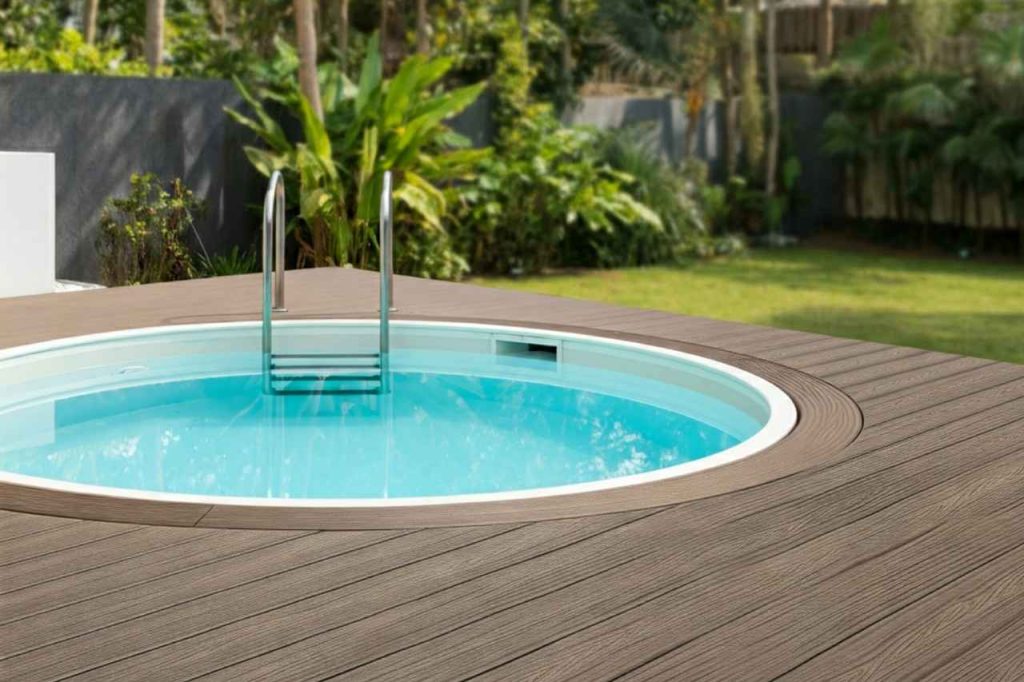
A precast concrete plunge pool is a factory-made concrete pool that is cast inside a strong mould, cured indoors, and delivered as a finished unit to your home. Unlike traditional concrete builds, precast pools cure in a controlled factory environment, which helps the concrete form an even strength throughout the structure. This reduces the risk of surface cracks that can happen when on-site concrete cures in bad weather.
Once your backyard is excavated and levelled, the precast pool is craned into place as one whole piece. This makes installation very fast, often done in just a few hours and ideal for tight-access Melbourne homes, where machines or trucks can’t reach the backyard through the side gate.
Precast pools still give you the benefits of solid concrete strength, but with quicker delivery and less mess compared to traditional concrete construction. They also work well on small backyards, townhouses, and modern inner-city blocks where space is limited.
Because the pool is pre-made, the finishes and shapes are usually limited to the manufacturer’s designs, but homeowners like them for their speed, strength, and ability to fit into narrow spaces where other pool types can’t.
How Each Material Is Made
Each plunge pool material is made in a different way, and this affects installation time, structural strength, maintenance, and how well the pool handles Melbourne’s soil and weather conditions. Understanding how the pool is built helps you see why one material may suit your home better than another.
How Concrete Plunge Pools Are Made
Concrete plunge pools are built on-site, which means the whole structure is formed directly in your backyard. The process uses steel reinforcement, formwork, and poured concrete to create a strong and long-lasting pool.
Steps in Concrete Manufacturing
- Excavation: The builder digs the pool area to the right depth and shape. This step matters because Melbourne’s reactive clay soil may need extra footing or soil stabilising.
- Formwork: Timber or steel frames create the pool’s shape. This is where custom designs come in.
- Steel reinforcement: A steel cage is installed inside the formwork. This steel handles hydrostatic pressure and keeps the pool strong if Melbourne soil moves over time.
- Pouring concrete: Concrete is sprayed or poured around the steel.
- Curing: The pool must cure for several weeks. This is when the concrete gains structural strength. Weather can slow this down, especially during Melbourne’s cold and wet months.
- Interior finish: Tiles, render, pebble, or another finish goes onto the concrete shell.
Concrete pools are the most customisable, but they take the longest and depend heavily on weather conditions. The curing stage is important because good curing prevents cracks and helps the pool last for decades. This is why concrete is often chosen for custom shapes, sloped blocks, and premium outdoor designs.
How Fibreglass Plunge Pools Are Made
A fibreglass plunge pool is made as a single-piece shell in a factory. The shape doesn’t change because every pool comes from a fixed mould. This makes fibreglass pools consistent, smooth, and quick to install.
Steps in Fibreglass Manufacturing
- Creating the mould: The factory makes a strong mould for the pool shape.
- Layering fibreglass: Workers apply layers of fibreglass resin to build the shell. This creates a light but strong structure that holds water well.
- Adding the gel coat: A smooth gel coat is sprayed onto the inside. This gel coat keeps the waterline clean, stops algae from sticking, and feels gentle on skin.
- Quality checks: The shell is tested for even thickness and shell integrity.
- Packing and shipping: Once approved, the pool is delivered to your home and lowered into the excavation.
Fibreglass pools have consistent strength because they aren’t shaped on-site. The gel coat makes the pool low-maintenance, and the single-piece shell means the pool can be installed very quickly. This option is great for busy homeowners, families wanting easy cleaning, or anyone wanting a fast installation with predictable results.
How Precast Concrete Plunge Pools Are Made
A precast plunge pool is made using factory-controlled concrete casting. This means the whole pool is built inside a mould before it ever reaches your backyard. Precast pools combine the strength of concrete with the speed of fibreglass installation.
Steps in Precast Manufacturing
- Concrete poured into a steel mould: The mould sets the size and shape of the pool.
- Factory curing: The pool cures in an indoor factory, which removes weather delays and gives the concrete consistent structural strength.
- Applying waterproof coating: A waterproof membrane or finish is added to protect against moisture and soil pressure.
- Transport and delivery: The finished pool shell is delivered to your home.
- Craning into place: The pool is lifted into the excavation as one complete unit. This is perfect for tight-access Melbourne homes where machinery can’t fit down the side of the house.
Precast pools are strong like concrete but install almost as fast as fibreglass. Factory curing improves durability, reduces cracking risks, and avoids the common problems of on-site concrete curing during Melbourne’s unpredictable weather. Because the pool arrives ready to go, on-site labour is minimal, and homeowners enjoy faster build times, cleaner sites, and lower overall installation costs.
Cost of Installation
The cost of installing a plunge pool in Melbourne depends on the material, the site access, the soil type, and how much work is needed before the pool goes into the ground. In general, concrete plunge pools cost the most, fibreglass plunge pools sit in the middle, and precast concrete plunge pools are often the most budget-friendly because they install faster.
What Melbourne Homeowners Actually Pay (Beyond Advertised Prices)
While advertised plunge pool prices give a rough starting point, the final cost in Melbourne is almost always shaped by site conditions, services, and upgrades rather than the pool shell alone.
From our installs across Melbourne:
- Concrete plunge pools often start around the mid-$30,000 range for basic builds, but final pricing regularly increases due to steel reinforcement requirements, soil movement allowances in reactive clay, and post-pandemic labour and material cost rises. Custom shapes and premium finishes are the biggest drivers of cost growth.
- Fibreglass plunge pools commonly end up higher than expected once heating systems, electrical or gas connections, and delivery constraints are included. In Melbourne, where pool heating is common, service upgrades alone can noticeably increase the final figure.
- Precast concrete plunge pools have the lowest advertised entry point for small sizes, but homeowners should factor in base preparation, crane access, and council or traffic requirements. Even so, smaller precast pools often remain the most cost-effective option once total build time and labour are considered.
In real-world projects, the difference between the “starting price” and the final invoice usually comes down to preparation, access, and services not the pool material itself.
Cost Comparison Guide
| Material | Typical Cost | Why the Cost Is Higher or Lower |
|---|---|---|
| Concrete | Highest | Custom build, long labour time, on-site curing, premium finishes |
| Fibreglass | Mid-range | Fixed sizes, fast install, smooth gel coat finish already included |
| Precast Concrete | Low to mid-range | Factory-made, fast crane install, less on-site labour |
Why Melbourne Homes Have Different Costs
Costs in Melbourne can change based on:
- Soil type (reactive clay or sandy soil)
- Access issues (narrow driveways, townhouses, terraces)
- Neighbour rules and crane permits
- Excavation depth
- Stormwater needs
- Pool fencing requirements
- Heating upgrades (common in Melbourne’s cold winters)
These factors can make one material more cost-effective than another depending on the layout of the backyard.
Installation Timelines
The time it takes to install a plunge pool in Melbourne depends on the material, the soil conditions, the weather, and how much preparation your backyard needs before the pool goes in. Each pool type follows a different process, and these steps affect how long the job will take from start to finish.
In general, concrete plunge pools take the longest, fibreglass pools are the fastest, and precast pools sit in the middle but often finish quicker than most homeowners expect.
Concrete Plunge Pool Installation Time
Concrete plunge pools usually take 6 to 10 weeks to build. This is because concrete pools are built on-site, and every step from digging to steel work to curing has to happen in the backyard.
What Affects Concrete Timelines
- Curing time: Concrete must cure for several weeks to gain full strength.
- Weather delays: Melbourne’s rain, wind, and winter temperatures can slow concrete work.
- Custom tiling or render: Premium finishes add extra days.
- Soil conditions: Reactive clay may need extra stabilising or drainage work.
Fibreglass Plunge Pool Installation Time
Fibreglass plunge pools are one of the fastest pools to install, usually taking 1 to 2 weeks once the excavation is ready.
Why Fibreglass Is Fast
- The pool shell is built in a factory, so the main structure arrives already finished.
- Installation mostly involves digging, lowering the shell, levelling, and backfilling.
- No curing is required, and the gel coat is already smooth and ready for water.
Precast Concrete Plunge Pool Installation Time
Precast plunge pools usually take 1 to 3 weeks to install. Even though they are made from solid concrete, they install much faster than traditional concrete builds because the whole structure is pre-made in a factory.
Why Precast Is Fast
- The pool is already cured before it arrives.
- On-site work is mostly excavation, base preparation, and crane placement.
- No weather delays during construction, because the concrete is poured indoors.
Timeline Comparison
| Material | Typical Installation Time | Why |
|---|---|---|
| Concrete | 6–10 weeks | On-site build, long curing time, weather delays |
| Fibreglass | 1–2 weeks | Pre-made shell, no curing, fast installation |
| Precast Concrete | 1–3 weeks | Factory-cured unit, crane install, minimal on-site work |
Advantages and Disadvantages
Durability and Maintenance in Real Melbourne Conditions
All three plunge pool types perform well when installed correctly, but long-term durability and maintenance differ based on material and finish.
- Concrete plunge pools remain the strongest option structurally. They handle soil movement well and allow reinforcement to be engineered for specific sites. The trade-off is higher maintenance over time, particularly with tiled or rendered interiors that require more care.
- Fibreglass plunge pools are valued for their smooth, sealed surface. The gel coat resists algae buildup, reduces chemical use, and is easy to clean. While design flexibility is limited, fibreglass shells hold up well for decades when properly supported.
- Precast concrete plunge pools combine concrete strength with factory consistency. Because the concrete cures in controlled conditions, the structure achieves uniform strength. We regularly see precast concrete elements and coping systems maintain their integrity for decades when installed on a properly prepared base.
From a maintenance perspective, surface finish has more impact than material choice. Smooth, sealed interiors always require less ongoing work than textured or tiled finishes.
Comparison Table
| Material | Advantages | Disadvantages |
|---|---|---|
| Concrete | Any shape, strong, luxury finishes | Higher cost, slow install, more upkeep |
| Fibreglass | Fast install, smooth finish, low care | Limited sizes, transport limits |
| Precast | Fast setup, strong structure, small yard friendly | Fewer design choices, a crane may be needed |
Best Plunge Pool Material for Different Melbourne Homes and Backyards
Every plunge pool material works best in different situations. Melbourne has a mix of inner-city townhouses, narrow driveways, sloped blocks, reactive clay soil, and small suburban yards, so choosing the right material depends on how your land is shaped, how fast you want the pool installed, and how much custom design you need.
Below is a clear guide showing when concrete, fibreglass, and precast concrete are the best match for Melbourne homes.
Best Use Cases for Concrete Plunge Pools
Concrete plunge pools are ideal when homeowners want full control over shape, size, and depth. Because they are built on-site, they allow complete design freedom and can be moulded to fit irregular blocks, narrow courtyards, or sloped land.
This flexibility is why concrete remains the preferred option for premium builds, heritage-style homes, and landscapes where pre-made shells simply won’t fit.
Concrete is best for:
- Custom shapes and layouts (round, curved, narrow, deep, or wrap-around designs)
- Sloped blocks that need retaining, shaping, or stepped levels
- Homes with reactive Melbourne clay soil where extra strength is needed
- Premium outdoor areas want full tiles, stone coping, or luxury finishes
- Backyards with unusual layouts where pre-made shells won’t fit
- Long-term durability goals, especially in homes planning to stay for decades
Concrete works especially well in older Melbourne suburbs with established gardens, heritage-style homes, or uneven land where a custom pool can blend naturally into the landscape.
Best Use Cases for Fibreglass Plunge Pools
Fibreglass plunge pools suit homeowners who prioritise low maintenance and fast installation over custom design. Because the shell is made from a fixed mould, shape and size options are limited, but the result is a smooth, durable surface that is easy to live with long term.
For standard suburban blocks with clear access and straightforward layouts, fibreglass offers predictable outcomes and minimal upkeep.households.
Fibreglass is best for:
- Low-care maintenance (smooth gel coat reduces algae and scrubbing)
- Standard suburban yards with enough room for a truck delivery
- Quick installations, often done within 1–2 weeks
- Homeowners wanting a warm pool, since fibreglass insulates well
- Straightforward pool layouts, such as rectangles or compact designs
- Homes with kids, thanks to the soft gel coat surface
Fibreglass is very popular in new housing estates around Melbourne where block sizes are consistent and access is easier for machinery.
Best Use Cases for Precast Concrete Plunge Pools
Precast concrete plunge pools sit between concrete and fibreglass in terms of flexibility. They provide solid concrete strength but are limited to mould sizes that can be transported and craned safely.
For homeowners who are happy with standard plunge pool dimensions, precast pools offer one of the best combinations of durability, speed, and value — especially in inner-city Melbourne homes where access is restricted.
Precast is best for:
- Narrow blocks and inner-city homes (Brunswick, Fitzroy, Collingwood, Richmond)
- Townhouses and terrace houses with no side access
- Small urban backyards where space is limited
- Fast builds, often completed in days once the site is ready
- Busy suburbs where construction time needs to be kept short
- Backyards that can’t handle on-site concrete work due to weather or soil
Because precast pools cure in a controlled factory environment, they have consistent structural strength, making them ideal for homes with melting clay, unstable soil, or areas requiring strong base support.
Conclusion
Choosing the right plunge pool depends on budget, yard size, access, and design style. Concrete suits custom builds. Fibreglass suits fast and simple installs. Precast suits tight access and small Melbourne backyards.
In our experience, the best plunge pool outcomes happen when material choice is based on access, soil conditions, and how the backyard actually functions, not just price or appearance.
If you want a plunge pool for your Melbourne home, our pool builders can help you plan, design, and construct it from start to finish. At Plunge Pools Melbourne, we offer concrete, fibreglass, and precast options made for local soil, weather, and backyard layouts.
Ready to start your pool project? Contact Plunge Pools Melbourne today for a friendly chat, design ideas, or a free quote.
FAQs
1. Which plunge pool material lasts the longest in Melbourne weather?
The plunge pool material that lasts the longest in Melbourne weather is concrete. Concrete handles soil movement, temperature changes, and long-term wear better than fibreglass or precast. With good care and proper waterproofing, a concrete plunge pool can stay strong for decades, even in mixed Melbourne conditions.
2. What is the easiest plunge pool type to maintain?
The easiest plunge pool type to maintain is fibreglass. Its smooth gel coat surface stops algae from sticking, uses fewer chemicals, and needs less scrubbing than concrete. Fibreglass also resists stains and keeps water clearer for longer, making it the simplest option for busy Melbourne families.
3. Which plunge pool material heats up the fastest?
The plunge pool material that heats up the fastest is fibreglass. Fibreglass shells hold warmth better than concrete because they have natural insulation in the gel coat layers. This means fibreglass pools heat quicker, stay warm longer, and cost less to run when paired with a heater in Melbourne.
4. Do precast plunge pools crack less than concrete pools?
Yes, precast plunge pools crack less than traditional concrete pools. Precast pools cure in factory conditions, giving them a uniform strength that reduces surface stress. On-site concrete can crack if the soil shifts or if curing is affected by weather. Precast stays more stable in many Melbourne backyards.
5. Which plunge pool type is best for tight access in Melbourne homes?
The best plunge pool type for tight access in Melbourne homes is a precast pool. Precast models are craned in as a single unit, so they reach narrow yards where machinery cannot enter. They are ideal for inner city blocks, small backyards, and homes with limited side or rear access.